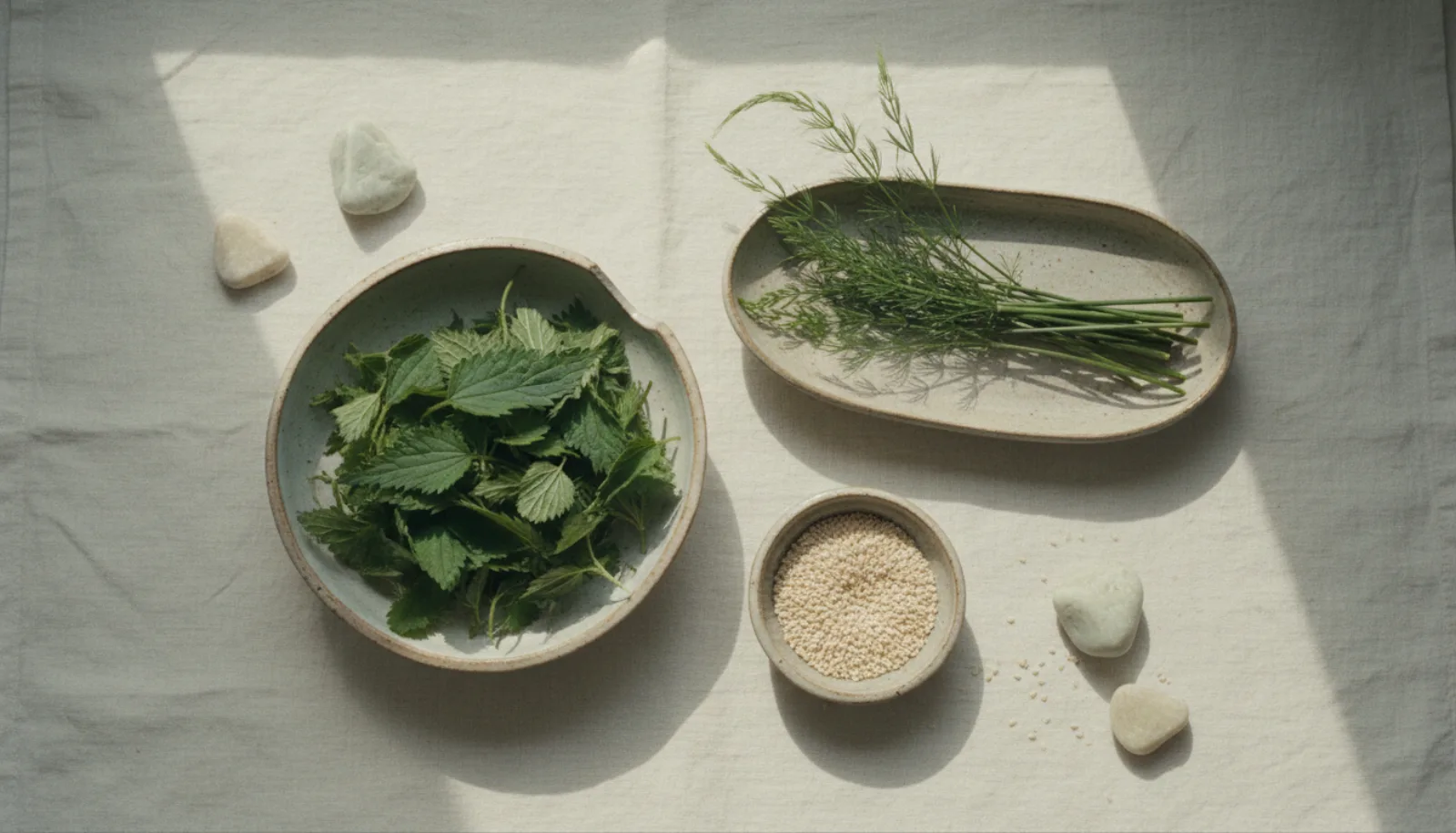
Six natural remedies for eczema
Six natural remedies for eczema. Eczema is a chronic, inflammatory, non-contagious skin condition. Atopic, contact, seborrhoeic or photosensitive eczema: this disorder can also appear in several forms. Once diet has been addressed, certain substances can be used locally to speed up healing or […]
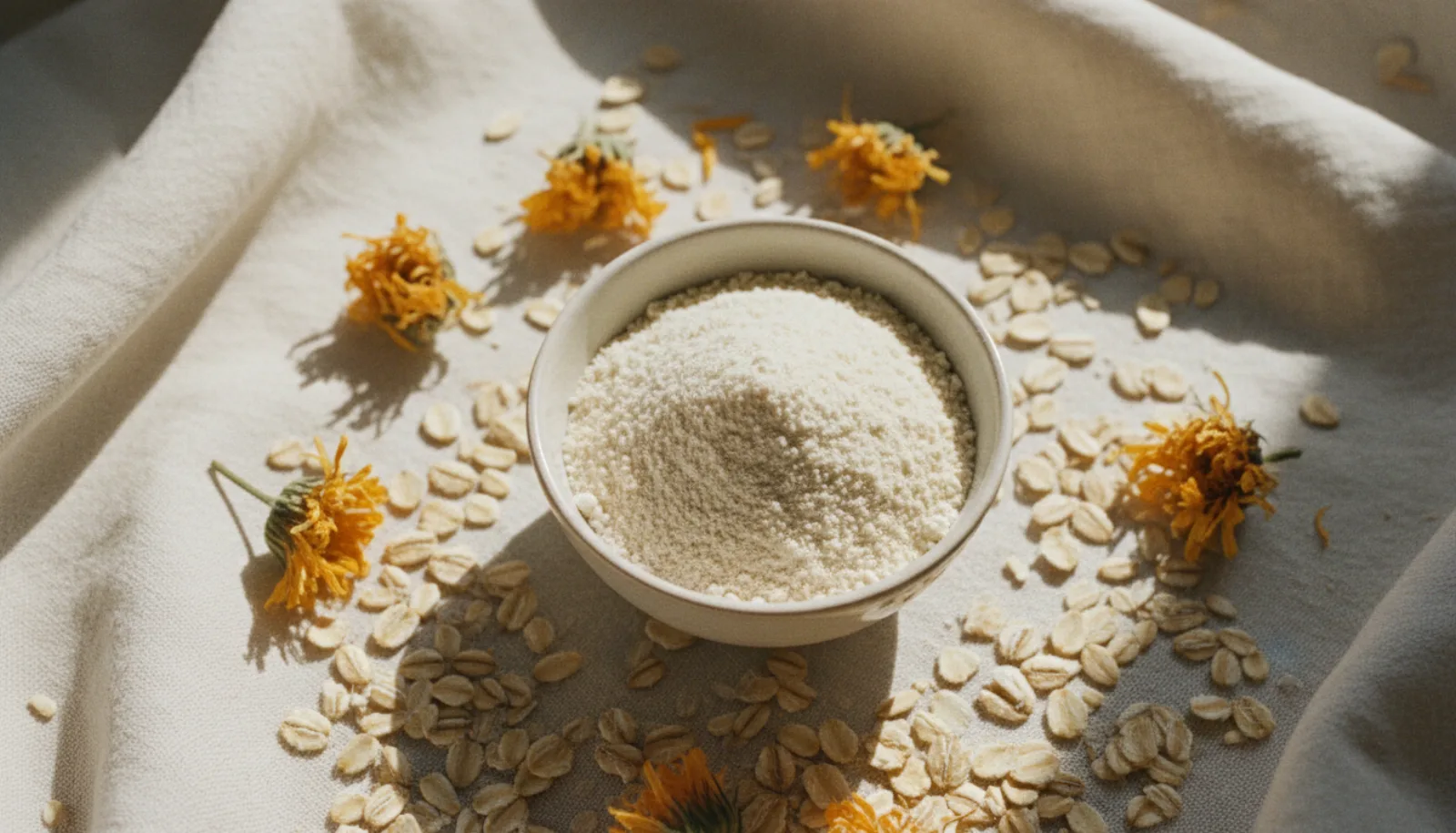
Six natural remedies for eczema
Eczema is a chronic, inflammatory, non-contagious skin condition. Atopic, contact, seborrhoeic or photosensitive eczema: this disorder can also appear in several forms. Once diet has been addressed, certain substances can be used locally to speed up healing or ease the discomfort while it happens.
-
Coconut oil
We use coconut oil for skin, hair, teeth and even making soap at home. It is also ideal for eczema. I have found that applying a thin layer of coconut oil, or using a coconut oil lotion, helps soothe the itching and pain that eczema causes.
-
Sea salt and magnesium spray
For wet or weeping eczema it is better to encourage drying than moisturising. I have often heard people with skin problems say they feel better at the beach, which may be explained by the vitamin D from the sun as well as the magnesium and minerals in salt water.
-
Oils rich in omega-3 (while limiting omega-6)
This natural remedy for eczema may not offer immediate relief, but it can help address the root of the problem. Recent research, going back as far as 2016, has found that taking omega-3s at high levels (more than you would get from eating fish occasionally), at a young age in particular, can reduce the risk and severity of eczema. This is due to the DHA and EPA fatty acids present in fish.
Although further research is needed to determine exactly how effective this is, it appears that avoiding inflammatory omega-6 oils (present in many processed foods and vegetable oils) while increasing omega-3 sources from fish oils and eating fish has a positive effect on eczema, according to the studies listed below.
Unfortunately it is suggested that eating fish alone is probably not enough to obtain therapeutic benefits (although we often include low-mercury seafood). Personally I have found that I benefit most from taking a high-quality fish oil supplement. I get better results from these capsules because of their quality and their omega-3 to omega-6 ratio. This company also offers a chewable tablet supplement for children.
-
Magnesium baths
For some people with eczema, soaking in water can make things worse. For those who tolerate it, magnesium baths and other kinds of detox bath can be beneficial for caring for the skin.
I regularly add a cup of Epsom salts or magnesium powder and a few tablespoons of Himalayan salt to my children's baths. When I have time, I also take relaxing baths in the same mixture.
When I do not have time for a bath, I use magnesium oil instead. Surprisingly, I notice the benefits of transdermal magnesium on the skin far more quickly than when I take magnesium internally.
Here is my favourite magnesium bath recipe:
These three detox bath recipes are also excellent if the person tolerates hot water.
-
Probiotics
Research on the effectiveness of probiotics for eczema is mixed. A 2018 review concluded that probiotics had little or no effect on eczema symptoms, although no adverse effects were noted. An article on NationalEczema.org reviews many of the existing studies and concludes that probiotics are not effective in treating established atopic dermatitis, but may be useful in prevention. It also stresses that the current body of research may not be conclusive, since the type of probiotic strain appears to play an important part. I also notice a steady increase in research into the many ways gut bacteria influence our health, and I cannot help thinking that skin health is no exception. Could there be a link?
Probiotics and probiotic-rich foods are increasingly missing from the modern diet, because we have moved away from traditional ways of preparing food such as fermentation (you can find out how to reintroduce them here). We also make efforts to wash our hands and our food (a good thing given the chemicals around today), which also removes the beneficial micro-organisms present in soil that supply good bacteria to our gut.
I also found that the probiotic strains present in these foods were not enough for us. We now take a spore-based probiotic every day and have seen significant improvements in skin and digestive health.
-
Foods rich in gelatine
I mentioned that bone broth was an important part of our healing routine, partly because of its high gelatine content. Gelatine helps soothe the gut, and the collagen it contains is also excellent for the health of hair, skin and nails.
To make bone broth, simply keep the carcass when you roast a chicken, duck, turkey or goose, then follow these steps. Ideally the animal should have lived outdoors and fed naturally. That means looking for bones from grass-fed cattle or bison, free-range poultry or wild fish. Since you are going to extract the minerals and consume them in concentrated form, it is important to make sure the animal was healthy.
For those who do not want to make bone broth themselves, there are now excellent prepared and sustainable bone broths on the market, which I always keep in my cupboard.
I also add collagen powder to my smoothies, since this form of gelatine mixes easily into cold water.
Useful resources on eczema
- Varma SR, Sivaprakasam TO, Arumugam I, et al. In vitro anti-inflammatory and skin protective properties of virgin coconut oil. J Tradit Complement Med. 2018; 9 (1): 5, 14. doi: 10.1016 / j.jtcme.2017.06.012
- McPherson T. Current understanding in pathogenesis of atopic dermatitis. Indian J Dermatol. 2016; 61 (6): 649, 655. doi: 10.4103 / 0019-5154.193674
- Proksch E, Nissen HP, Bremgartner M, Urquhart C. Bathing in a magnesium-rich Dead Sea salt solution improves skin barrier function, enhances skin hydration, and reduces inflammation in atopic dry skin. Int J Dermatol. 2005; 44 (2): 151-7.
- Schlichte MJ, Vandersall A, Katta R. Diet and eczema: a review of dietary supplements for the treatment of atopic dermatitis. Dermatol Pract Concept. 2016; 6 (3): 23, 29. doi: 10.5826 / dpc.0603a06
- Calder PC, Kremmyda LS, Vlachava M et al. Is there a role for fatty acids in early life programming of the immune system? Proc Nutr Soc 2010; 69: 373, 80. doi: 10.1017 / S0029665110001552
- Miles EA, Calder PC. Can early omega-3 fatty acid exposure reduce risk of childhood allergic disease? Nutrients. 2017; 9 (7): 784. Published 21 July 2017. doi: 10.3390 / nu9070784
- Martin PE et al. Which infants with eczema are at risk of food allergy? Results from a population-based cohort. Clinical and Experimental Allergy, 11 September 2014. https://onlinelibrary.wiley.com/doi/abs/10.1111/cea.12406